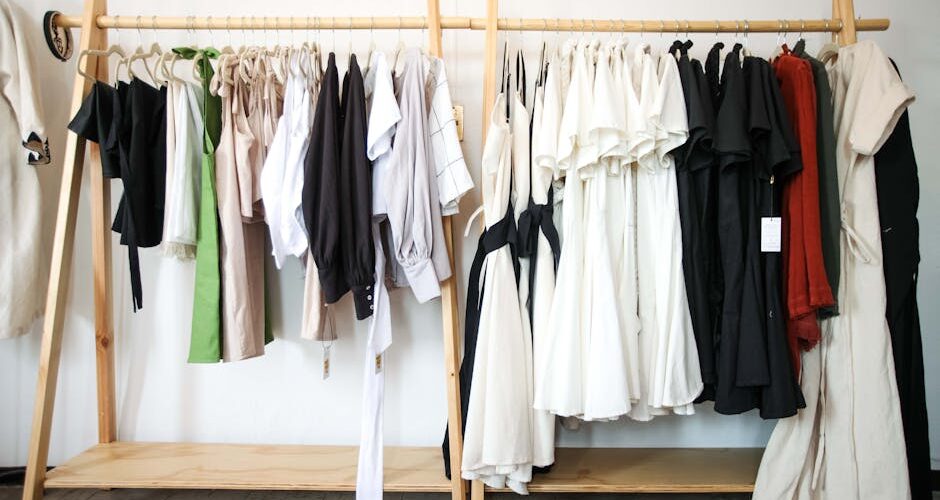
Why Minimalist Fashion is More Than Just a Trend in 2026
The allure of minimalist fashion has captivated hearts and minds beyond just fleeting trends. It’s 2026, and minimalism in fashion has proven to be more than just a transient style statement. It’s an ethos, a movement, and a way of life that resonates deeply with a world constantly in motion. Let’s unpack why this style has persevered and grown in significance over the years.
The Origins of Minimalism
Minimalist fashion isn’t a modern-day invention. Its roots trace back to the 1960s when designers like Yves Saint Laurent and Coco Chanel first embraced the concept of “less is more.” However, the aesthetics have significantly evolved, moving from largely monochromatic palettes to a broader spectrum while still maintaining simplicity and elegance.
Fast-forward to 2026, and the minimalist approach has become more refined. It’s not just about limiting color. It’s about selecting quality over quantity, timeless pieces over temporary trends, and sustainable practices over fast fashion. The global fashion scene, from Paris to Tokyo, has embraced these principles.
Sustainability and Ethical Practices
As climate change continues to daunt us, the demand for sustainable and ethical fashion has surged. Minimalist fashion aligns perfectly with these values. By prioritizing fewer, more versatile pieces, minimalism reduces waste and encourages consumers to make thoughtful purchases.
Brands like Eileen Fisher and Everlane have led the charge by adopting sustainable practices, creating garments that last, and encouraging consumers to buy less. Their stores in New York and San Francisco have become hubs for those seeking eco-friendly fashion without compromising on style.
The impact is tangible. In 2025, a study by the Global Fashion Agenda reported a 30% reduction in carbon emissions from brands that adopted minimalist practices. This shift is a powerful testament to minimalism’s potential to effect change beyond the wardrobe.
Psychological Appeal of Minimalism
There’s more to minimalist fashion than just aesthetics and ethics; it also resonates on a psychological level. A clutter-free wardrobe contributes to a clutter-free mind. With fewer pieces to choose from, decision fatigue is minimized, allowing individuals to start their day with clarity and focus.
Consider the capsule wardrobe, a concept popularized by Susie Faux in the 1970s, which has seen a resurgence. The idea is simple: a small collection of essential items that don’t go out of style. This approach has been embraced by professionals and students alike, from the busy streets of London to the bustling campuses of universities in Sydney.
Technological Integration in Minimalist Fashion
In 2026, fashion technology has taken off, further fueling the minimalist movement. Smart textiles and multifunctional garments are becoming the norm. Imagine a jacket that adapts to temperature changes or shirts with built-in UV protection. These innovations reduce the need for multiple items, aligning perfectly with minimalist principles.
Brands like Ministry of Supply and Vollebak are pioneers in this space, merging tech with fashion. Their recent collections, showcased in the tech-forward city of Seoul, highlight how function meets form, proving that minimalism isn’t just simple but also sophisticated.
Minimalism as a Form of Self-Expression
Minimalist fashion is incredibly personal. It’s about expressing one’s identity with clarity and confidence. While some see it as restrictive, others perceive it as liberating. You choose what truly resonates with you, eliminating the noise and embracing authenticity.
In the artful streets of Milan and the creative hubs of Berlin, individuals are using minimalist fashion to tell their stories. A simple black turtleneck or a perfectly tailored white shirt can speak volumes, reflecting one’s values and lifestyle.
Practical Takeaway: Crafting Your Minimalist Wardrobe
If you’re drawn to minimalist fashion, start by assessing your current wardrobe. Pare down to pieces that bring joy and utility. Consider investing in high-quality staples like a classic blazer, versatile jeans, and timeless footwear. Remember, it’s about quality, functionality, and personal expression.
Incorporate pieces that can work across seasons and occasions. This doesn’t mean you have to sacrifice variety—play with textures, subtle patterns, and accessories to keep your style fresh. As you build a wardrobe that reflects minimalist principles, you’ll find it extends beyond clothing, influencing a more mindful approach to life in general.