1. The Origins of Haute Couture
Haute couture, a term that evokes luxury and exclusivity, has its roots firmly planted in Paris. In the mid-19th century, English designer Charles Frederick Worth established what is widely considered the first haute couture house in the City of Light. Worth’s meticulous attention to detail and personalized client interactions set the tone for what haute couture represents today: bespoke craftsmanship of the highest order.
2. The Exclusive World of Haute Couture Houses
While the term ‘haute couture’ might be thrown around loosely in fashion circles, only a select few fashion houses are officially recognized as such by the French Ministry of Industry. As of 2026, there are about 15 official members, including iconic names like Chanel, Dior, and Givenchy. These houses adhere to strict regulations, including creating made-to-order pieces for private clients and maintaining a Paris-based atelier with a minimum of 20 full-time staff.
3. The Unique Role of the Ateliers
The real magic of haute couture happens in the ateliers, the workrooms where skilled artisans bring designers’ visions to life. These artists are highly specialized, often spending decades mastering their craft. Whether it’s hand embroidery, intricate beading, or featherwork, each detail is painstakingly executed, often requiring hundreds of hours for a single garment. The result? A masterpiece that is as much art as it is clothing.
4. The Importance of the Haute Couture Fashion Week
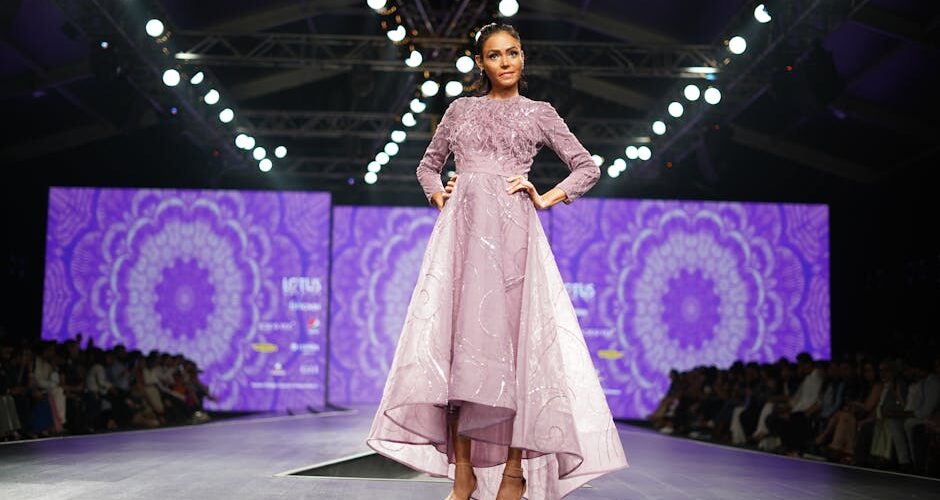
Held twice a year in Paris, Haute Couture Fashion Week is a spectacle that sets the stage for the coming season’s trends. Unlike ready-to-wear shows, where collections are aimed at a broader audience, these shows cater to an elite clientele. Each presentation is a theatrical display of creativity, often held in opulent settings like the Grand Palais or the Musée des Arts Décoratifs. It’s a week where fashion transcends into an art form, inspiring legions of designers and fashion lovers worldwide.
5. The Exclusivity of Haute Couture Clients
Haute couture is not just for anyone; it’s the realm of the ultra-wealthy. With dresses starting in the six-figure range, clients range from royalty to celebrities to the incredibly affluent. Not just any well-heeled individual can buy these creations; many houses require prospective clients to apply for consideration, ensuring that each garment is worn by someone who truly appreciates the artistry involved.
6. The Influence on Ready-to-Wear Fashion
While haute couture pieces are one-of-a-kind, their influence on ready-to-wear fashion is undeniable. Many design elements that debut on the couture runway find their way into mainstream fashion. For instance, the oversized silhouettes and intricate lacework seen in recent collections have been adapted into more accessible clothing lines, allowing everyday consumers a taste of couture-inspired fashion.
7. The Evolution of Haute Couture in the Digital Age
The digital revolution has not left haute couture untouched. In recent years, virtual fashion shows and digital garments have emerged, offering a new frontier for couture houses. Virtual reality and AI are being used to create immersive fashion experiences, allowing clients to view collections in a digital space before making a purchase. While the tactile experience of haute couture remains irreplaceable, technology is bridging the gap between tradition and innovation.
8. Sustainability in Haute Couture
Sustainability might not be the first thing that comes to mind when thinking about haute couture, yet the industry is making strides in this direction. Many couture houses are embracing sustainable practices by using ethically sourced materials and reducing waste. Chanel, for example, has committed to using 100% sustainable wool by 2030, setting a precedent for other luxury brands to follow.
9. The Role of the Creative Director
A haute couture house is only as visionary as its creative director. These individuals are the auteurs of the fashion world, guiding their brand through ever-changing trends while maintaining the essence of what makes their house unique. Maria Grazia Chiuri at Dior, for example, has deftly blended feminism with elegance, revitalizing the brand’s identity while introducing new audiences to its storied past.
10. The Emotional Connection
Finally, haute couture is about more than fabric and thread; it’s about emotion. Each piece tells a story, capturing the essence of the designer’s inspiration, the client’s individuality, and the artisan’s dedication. Wearing haute couture is not just an aesthetic choice but an emotional experience, a celebration of art, history, and beauty.
Practical Takeaway: Discovering the nuances of haute couture allows fashion enthusiasts to appreciate the artistry and heritage behind each piece. Whether you’re a budding designer or simply an admirer, understanding these elements can enrich your fashion journey, inspiring you to incorporate elements of couture into your own wardrobe creations or choices.