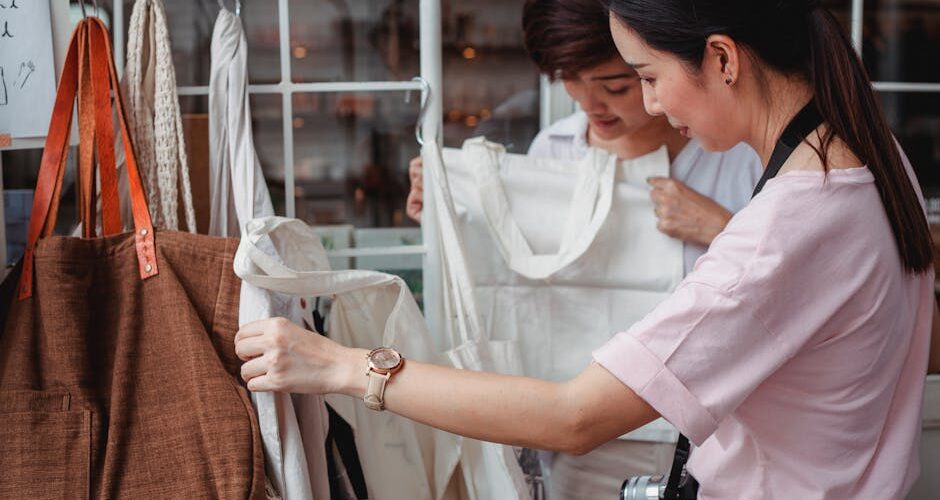
Understand the Impact of Your Purchases
Shopping ethically isn’t just a fleeting trend; it’s a commitment to a lifestyle that respects our planet and its inhabitants. When we step into a store or browse online, each choice we make sends a message. By becoming more aware of how our purchases affect the world, we can make better, more responsible decisions. According to a 2025 report by the World Economic Forum, the fashion industry is responsible for 10% of global carbon emissions. That’s a staggering amount, but it also highlights the potential impact we can have as consumers by choosing sustainable options.
Prioritize Quality Over Quantity
In an era dominated by fast fashion, it’s tempting to go for that bargain rack deal. However, these pieces often wear out quickly, ending up in landfills. Instead, investing in high-quality, durable items not only saves money in the long run but also reduces waste. Take, for instance, brands like Patagonia and Eileen Fisher. They focus on creating long-lasting apparel with minimal environmental impact. By purchasing fewer, higher-quality items, you’re contributing to a more sustainable future.
Research Brands and Their Values
With information readily available at our fingertips, researching a brand’s practices is easier than ever. Look into their sustainability reports, ethical certifications, and labor practices. Brands like Reformation and Everlane are transparent about their supply chains and environmental impact. By supporting companies that align with your values, you’re helping to promote ethical business practices. Websites like Good On You provide ratings and reviews of brands based on their environmental and social impact, making it simpler to shop responsibly.
Embrace Second-Hand Shopping
Thrifting is not only economical but also an excellent way to reduce your carbon footprint. By purchasing second-hand, you’re extending the life of garments and reducing demand for new production. Services like ThredUp and Depop have revolutionized the resale market, making it easy to find trendy, pre-loved pieces. Whether you’re hunting for a vintage jacket or a unique accessory, second-hand stores and online platforms offer a treasure trove of options without the environmental cost of new production.
Support Local Artisans and Designers
Shopping locally not only supports your community but also reduces the carbon footprint associated with long-distance shipping. Local artisans and designers often create unique, handcrafted items that are made with care and precision. Cities like Portland and Austin are renowned for their vibrant local fashion scenes, offering everything from bespoke jewelry to custom-made clothing. By choosing to buy local, you’re promoting sustainable business practices and encouraging creativity within your community.
Opt for Sustainable Materials
Choosing garments made from sustainable materials can make a significant difference. Fabrics like organic cotton, Tencel, and recycled polyester have much lower environmental impacts compared to their conventional counterparts. For instance, producing organic cotton uses 91% less water than conventional cotton, as per the Textile Exchange report in 2024. Brands like Outerknown and Amour Vert prioritize sustainable materials, allowing you to enjoy stylish clothing that’s kinder to the earth.
Be Mindful of Packaging
Packaging often goes unnoticed, yet it contributes significantly to environmental waste. Choose brands that use minimal, recyclable packaging or offer take-back programs for their products. In 2026, companies like Lush and Package Free Shop are leading the charge, offering sustainable packaging solutions that minimize waste. When purchasing online, opt for vendors that commit to reducing their packaging footprint, ensuring that your sustainable fashion choices extend beyond the clothes themselves.
Practical Takeaway: Shopping ethically and sustainably is more than just a personal choice; it’s a movement towards a more responsible and conscious world. By understanding the impact of our shopping habits and making informed decisions, we can all contribute to a healthier planet. Start small—perhaps with your next clothing purchase—and watch your impact grow.