Embrace the Forest: Organic Fabrics for Eco-Conscious Style
In 2026, eco-consciousness is not just a trend but a lifestyle. Organic fabrics are at the forefront of this movement, offering a sustainable alternative to conventional textiles. From organic cotton grown without harmful pesticides to hemp, a fast-growing plant that requires minimal water, these materials are as gentle on the skin as they are on the planet. Consider incorporating pieces like a chic hemp dress or an organic cotton t-shirt into your wardrobe. Not only do these materials reduce environmental impact, but their breathability and durability make them ideal for day-to-day comfort.
Thrift and Thrive: The Art of Vintage Shopping
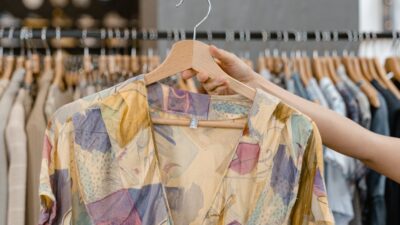
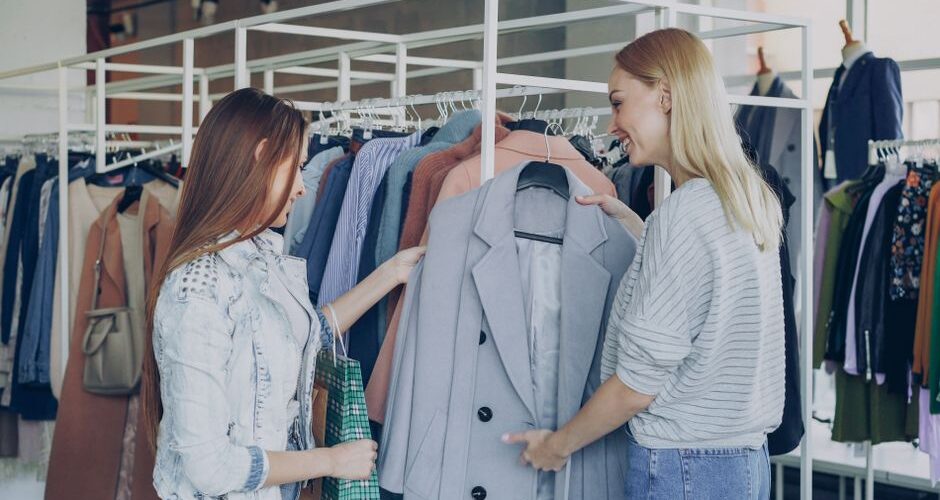
Thrifting is both an art and a science in 2026. With an increasing awareness of the fashion industry’s environmental impact, more people are turning to vintage stores to find unique pieces that tell a story. Whether you’re in the bustling streets of Paris or the vibrant markets of Seoul, vintage shopping offers a treasure trove of possibilities. When you buy second-hand, you’re not only giving clothes a second life but also reducing the demand for new production. Look for staple items like denim jackets or leather boots that never go out of style, and let your creativity run wild.
Customization is Key: Tailoring and Upcycling
The power of personal expression has never been more important. In 2026, customization isn’t just about fit but about creating something uniquely yours. Tailoring can transform a simple piece into a wardrobe staple, ensuring longevity and personal style. Upcycling, on the other hand, takes existing materials and gives them new life. Imagine turning an old denim pair into a stylish skirt or repurposing a vintage scarf into a chic bag. Not only do these methods extend the life of your clothing, but they also offer a canvas for creativity and individuality.
The Minimalist Mindset: Quality Over Quantity
As fast fashion continues to decline, the minimalist wardrobe is gaining traction. The philosophy of ‘less is more’ entails investing in high-quality pieces that are versatile and timeless. Consider a well-tailored blazer or a pair of boots that fit like a glove. The idea is to curate a collection of clothing that serves multiple purposes, reducing the need for constant consumption. By focusing on quality, you’re making a long-term investment in both style and sustainability.
Community and Collaboration: Supporting Local Artisans
Supporting local craftsmen and women is a vital part of sustainable fashion in 2026. Communities around the world are filled with talented artisans who create beautiful, meaningful clothing. By buying locally-made garments, you’re supporting sustainable practices and promoting cultural heritage. Whether it’s a handwoven scarf from Peru or a pair of sandals from Greece, these items often come with stories and traditions that enrich your wardrobe and connect you to different cultures.
Practical Takeaway: In 2026, being an eco-warrior doesn’t mean sacrificing style. By choosing organic fabrics, embracing vintage, personalizing your wardrobe, adopting a minimalist mindset, and supporting local artisans, you can make fashion choices that are both stylish and sustainable. The key is to see your wardrobe as an expression of values and creativity, allowing the planet to benefit from your chic decisions.